

❤️ The Heart of Support: Building a Meaningful Career as a Special Needs Caregiver
Hello, compassionate hearts and dedicated advocates! When a family faces the challenges of caring for a loved one with special needs—whether physical, intellectual, emotional, or developmental—they rely on a professional whose dedication goes far beyond a job description. That hero is the Special Needs Caregiver (also known as a Direct Support Professional (DSP), Home Health Aide (HHA), or Personal Care Assistant (PCA)).
Being a Special Needs Caregiver is not just a profession; it is a vocation that requires immense emotional intelligence, patience, physical resilience, and specialized training. You step into a life to provide the vital support that allows individuals to achieve their fullest potential, maintain independence, and live with dignity. This career is deeply meaningful, consistently challenging, and uniquely rewarding, offering profound job satisfaction every single day.
We’re dedicating this space to exploring the crucial role of this essential profession—dissecting the multifaceted job description, the qualifications that build trust and competence, and the unique blend of technical skills and genuine empathy that defines an outstanding Special Needs Caregiver. Get ready to discover a path where your kindness is your greatest tool!
🌟 The Caregiver’s Job Description: The Champion of Daily Life
A Special Needs Caregiver provides personalized, essential support to individuals with chronic illnesses, disabilities, or developmental challenges. Their primary goal is to foster the individual’s independence, health, and quality of life within their home, residential facility, or community setting.
Core Responsibilities:
- Personal Care and Hygiene: Assisting the individual with essential daily activities (Activities of Daily Living or ADLs), including bathing, grooming, dressing, toileting, and mobility (transfers, walking).
- Health and Medical Support: Monitoring vital signs, administering medication on schedule (often requiring specific training and certification), documenting health status changes, and assisting with specialized medical equipment (e.g., feeding tubes, oxygen tanks, hoyer lifts).
- Mobility and Physical Assistance: Safely assisting with transfers, ambulation, and positioning to prevent bedsores or injuries. This often requires knowledge of proper body mechanics and adaptive equipment use.
- Meal Preparation and Nutrition: Planning, preparing, and serving nutritious meals tailored to specific dietary needs (e.g., pureed foods, diabetic diets, allergy restrictions). Assistance with feeding may also be required.
- Household and Environmental Support: Performing light housekeeping, laundry, and ensuring the living environment is safe, clean, and accessible, free of hazards that could cause falls or injuries.
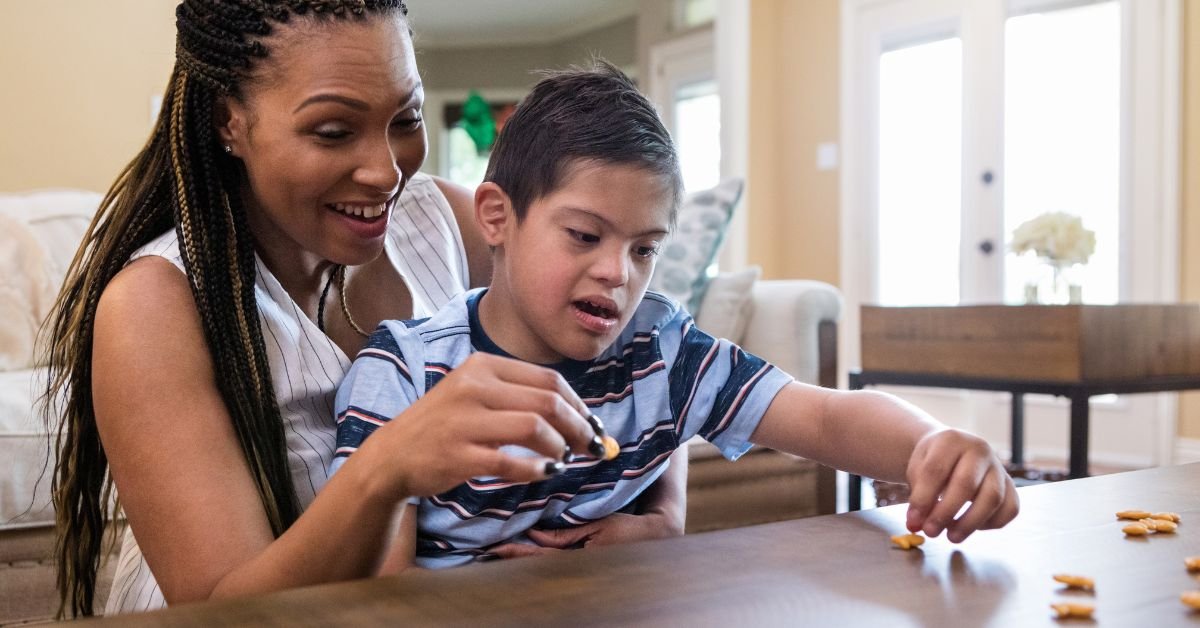
- Emotional and Social Support: Providing companionship, encouraging social engagement, facilitating communication, and promoting participation in hobbies, activities, and community events to combat isolation.
- Behavioral Support and Intervention: For individuals with intellectual or developmental disabilities, following and implementing personalized behavior support plans, using positive reinforcement techniques, and helping manage challenging behaviors calmly and consistently.
- Documentation and Reporting: Maintaining accurate, detailed daily logs of care provided, medication administered, behavioral observations, and any changes in the individual’s physical or mental condition, reporting critical information to nurses, supervisors, or family members.
- Appointment Management: Transporting the individual to and from medical appointments, therapy sessions, and community outings, advocating for their needs and ensuring clear communication with professionals.
The Caregiver is a dynamic advocate and partner, ensuring that the supported individual is safe, healthy, and connected to the world around them.
🎓 Experience and Qualifications: Building Trust and Competence
While the demand for caregivers is high, the role requires specialized training, often leading to formal certifications that establish trust and competence in handling complex physical and medical needs.
Essential Qualifications:
- Education: A High School Diploma or GED is generally the minimum requirement.
- Specialized Training and Certification: Crucial training often includes:
- Certified Nursing Assistant (CNA): This formal credential, though higher than required for all PCA roles, is highly valued and opens doors to more medicalized care settings.
- Home Health Aide (HHA) / Personal Care Assistant (PCA) Certification: Many states or agencies require successful completion of a short-term, specialized training program focused on personal care, safety, and basic health monitoring.
- Medication Administration Training: Specific certification or training is often required to administer non-injectable medications in home or facility settings.
- Physical Stamina and Health: Excellent physical health is necessary to perform frequent lifting, transferring, standing, and bending. Caregivers must be able to use proper body mechanics to protect both themselves and the person they support.
- Background Check and Clearance: Due to the intimate nature of the work and the vulnerability of the people being served, a thorough, clean criminal background check, drug screening, and reference check are mandatory.
- Valid Driver’s License and Clean Driving Record: Often required for transporting the individual to appointments and outings.
- CPR and First Aid Certification: Current certification is standard and essential for handling medical emergencies.
Employers seek individuals who are reliable, punctual, demonstrate good judgment, and have a genuine desire to serve others.
💡 Special Skills: The Caregiver’s Blend of Empathy and Expertise
The best Special Needs Caregivers possess a unique “soft power” that allows them to connect deeply, combined with the technical rigor to manage health and behavioral complexities.
Technical & Procedural Skills (Hard Skills):
- Safe Patient Transfer Techniques: Expert knowledge and practice in using assistive devices (Hoyer lifts, gait belts) and correct body mechanics to safely move and position individuals, minimizing risk of falls or injury.
- Basic Medical Monitoring: Proficiency in accurately measuring and documenting vital signs (pulse, blood pressure, temperature) and recognizing subtle but significant changes in an individual’s condition that require immediate reporting.
- Behavioral Support Plan Implementation: The discipline to consistently follow individualized behavioral support plans, utilizing specific communication techniques (e.g., non-verbal cues, simple language) and de-escalation strategies.
- Dietary and Nutritional Management: The ability to follow complex dietary instructions and prepare meals that are appropriate for specific physical (e.g., choking risk) and medical needs.
- Detailed Documentation: The rigorous skill of keeping clear, precise, and objective records of care, which is vital for communication with the rest of the care team (nurses, doctors, therapists).
Interpersonal & Emotional Skills (Soft Power):
- Unwavering Patience and Resilience: The profound ability to remain calm, consistent, and supportive when faced with frustration, repetitive behaviors, or slow progress.
- Empathy and Compassion: The foundational skill. The ability to genuinely understand and share the feelings of the person being supported, building a relationship based on trust and respect for their individual dignity.
- Observational Acuity: Exceptional attention to detail in noticing subtle non-verbal cues, changes in mood, slight deterioration in health, or environmental hazards that others might miss.
- Adaptability and Flexibility: The ability to pivot quickly when routines change, deal with unexpected situations (medical episodes, emergency appointments), and adapt care techniques to varying needs.
- Respect for Boundaries and Privacy: Maintaining professional boundaries, respecting the autonomy and privacy of the individual, and ensuring confidentiality of all personal and medical information.
🚀 The Impact: A Career That Transforms Lives
The Special Needs Caregiver holds one of the most important jobs in society. By providing stability, routine, and personalized support, they empower individuals with disabilities to participate more fully in life, and they provide essential respite and peace of mind to families. Demand for these professionals is projected to grow significantly as populations age and specialized support becomes more widespread. This is a career where the human connection is the central reward, offering unparalleled fulfillment.
If you are guided by a compassionate spirit, possess patience under pressure, and are ready to apply specialized skills to genuinely transform a person’s life, then pursuing a career as a Special Needs Caregiver is your highest calling.