

🚧 The Field Commander: Your Blueprint for Leading as a Civil Foreman
Hello, on-site leaders and hands-on experts! Have you ever stood near a construction site and watched the complex dance of workers, heavy machinery, and materials come together in perfect synchronization? The person orchestrating that vital daily workflow—the one bridging the gap between the engineer’s blueprint and the worker’s hands—is the Civil Foreman (or Construction Foreman).
The Civil Foreman is the heart of the construction site. This isn’t an office job; it’s a leadership role forged in grit, experience, and immediate accountability. They are responsible for making sure the work gets done safely, correctly, on time, and within budget, day after day. They translate engineering specifications into tangible tasks and motivate a crew to execute them.
We’re putting on our hard hats to explore the intense reality of this crucial profession—dissecting the demanding job description, the experience that earns respect, and the unique blend of technical expertise and frontline leadership that defines an outstanding Civil Foreman. Get ready to build your leadership career from the ground up!
👷 The Civil Foreman’s Job Description: The Daily Operational Leader
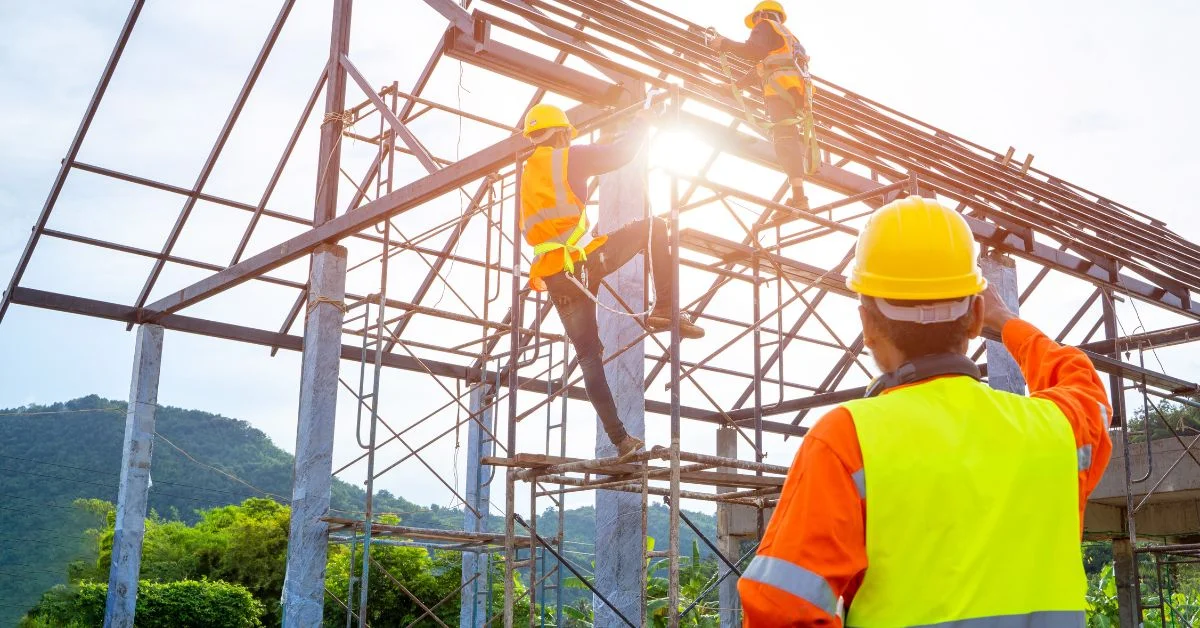
The Civil Foreman acts as the first line of management on a construction site. They report to the Site Superintendent or Project Manager and are directly responsible for supervising the crew, materials, and equipment dedicated to a specific phase of the civil works (e.g., earthworks, drainage, concrete pouring).
Core Responsibilities:
- Crew Supervision and Leadership: Leading, motivating, and managing a team of laborers, equipment operators, and specialized tradespeople. This includes assigning daily tasks, setting performance goals, and ensuring high productivity.
- Safety Enforcement (Non-Negotiable): The primary responsibility is ensuring a safe work environment. The Foreman conducts daily tool-box talks, enforces site safety protocols, ensures workers use appropriate Personal Protective Equipment (PPE), and halts work immediately if safety is compromised.
- Blueprint Interpretation and Execution: Reading and accurately interpreting engineering blueprints, technical drawings, and specifications. They must effectively communicate the exact requirements of the plans to the crew and ensure the work is built to those specifications.
- Quality Control (QC): Constantly monitoring the quality of work performed, checking measurements, alignments, and material placement. They identify and correct deficiencies on the spot before they become costly rework.
- Resource Management: Ensuring the crew has the necessary materials, tools, and heavy equipment (excavators, dozers, concrete mixers) available when needed. They anticipate future needs and coordinate deliveries with the Site Manager.
- Schedule Management: Working within the overall project schedule, ensuring their specific tasks and milestones are completed on time. They must adjust daily work plans based on weather, unforeseen site conditions, or equipment issues.
- Reporting and Documentation: Recording daily progress, noting labor hours, equipment usage, material usage, and any significant events (delays, incidents, quality checks) for the Site Manager.
- Training and Mentorship: Training junior crew members on safe practices, proper equipment operation, and correct construction techniques.
The Civil Foreman is the operational linchpin, translating high-level planning into successful, safe, day-to-day action on the ground.
🌟 Experience and Qualifications: Earning the Striped Hat
The path to becoming a Civil Foreman is almost entirely built on proven, hands-on, progressive experience in the field. This is a promotion based on trust, skill, and leadership ability, not just a degree.
Essential Qualifications:
- Trade Experience (The Foundation): Minimum of 5 to 10 years of intensive, hands-on experience in heavy civil construction (e.g., utility installation, road building, site grading). A foreman must be able to perform or thoroughly understand the skills of every worker they supervise.
- Specific Domain Expertise: Experience must be relevant to the type of work being overseen (e.g., a “Concrete Foreman” needs deep expertise in formwork, rebar, and concrete placement).
- Certifications in Safety: Mandatory certification in high-level construction safety programs, such as OSHA 30-Hour (in the U.S.) or equivalent national safety leadership training. Knowledge of first aid and CPR is highly valued.
- Technical Training (Helpful): While not always required, certificates or vocational training in construction technology, blueprint reading, surveying, or civil drafting can accelerate career progression.
- Demonstrated Leadership: A proven history of leadership, perhaps as a lead hand or team leader, where the candidate successfully delegated tasks, mentored junior workers, and managed small crews effectively.
- Valid Driver’s License/Equipment License: Often required to move equipment on-site and travel between jobs. Certification to operate specific heavy equipment is a major asset.
A Foreman’s authority is earned through competence and respect—they must be the most skilled and reliable person on the site.
💡 Special Skills: The Foreman’s Toolkit of Grit and Guidance
The best Civil Foremen combine their profound technical knowledge with exceptional communication and managerial fortitude, ensuring smooth, efficient, and safe operations.
Technical & Planning Skills (Hard Skills):
- Advanced Blueprint Reading: The ability to not only read but fully visualize and understand multi-layered engineering drawings, including elevations, sections, and site layouts, often making quick interpretations in the field.
- Construction Math and Layout: Proficiency in practical math (geometry, trigonometry, measurements) for staking, calculating grades, slopes, and material quantities without relying solely on a calculator.
- Site Grading and Surveying: Basic knowledge of using leveling equipment (e.g., laser levels, transits) to check grades, establish benchmarks, and ensure earthwork is performed to the correct elevation.
- Materials Science Knowledge: Understanding the properties, curing times, and proper handling of critical materials like concrete, asphalt, aggregates, and pipe materials.
- Equipment Operation Proficiency: While they don’t operate equipment full-time, a great Foreman knows the capabilities, limitations, and maintenance needs of the machinery their crew uses.
Leadership & Safety Skills (Soft Power):
- Uncompromising Safety Culture: The commitment to enforce safety rules without exception, demonstrating through personal example that no schedule is worth a serious injury.
- Clear and Decisive Communication: The ability to issue instructions clearly, calmly, and decisively in a noisy, fast-paced environment. They must be direct and easily understood by all workers.
- Conflict Resolution and Motivation: Skillfully handling interpersonal issues, resolving conflicts, and, most importantly, motivating a team to work hard and remain productive during long, often difficult shifts.
- Resilience and Adaptability: The mental toughness to handle unexpected problems (e.g., hitting a utility line, equipment breakdown, sudden weather change) and quickly devise a safe, functional contingency plan.
- Accountability and Integrity: Taking full responsibility for the quality and safety of the crew’s work. They are the honest link between the management team and the workers.
🚀 The Impact: Building a Tangible Legacy
The Civil Foreman role is a high-reward career for those who love working outdoors, leading teams, and seeing their hard work translate into permanent, tangible infrastructure. It offers a powerful sense of ownership over the project. Many successful Site Superintendents, General Foremen, and even Project Managers started their careers by mastering the ground-level complexities as a Civil Foreman. It is a career path that rewards grit, expertise, and genuine leadership.
If you are a proven technician who is ready to take the reins, manage people, and drive a project forward with unwavering discipline and safety, then becoming a Civil Foreman is your chance to lead the physical creation of our modern world.