

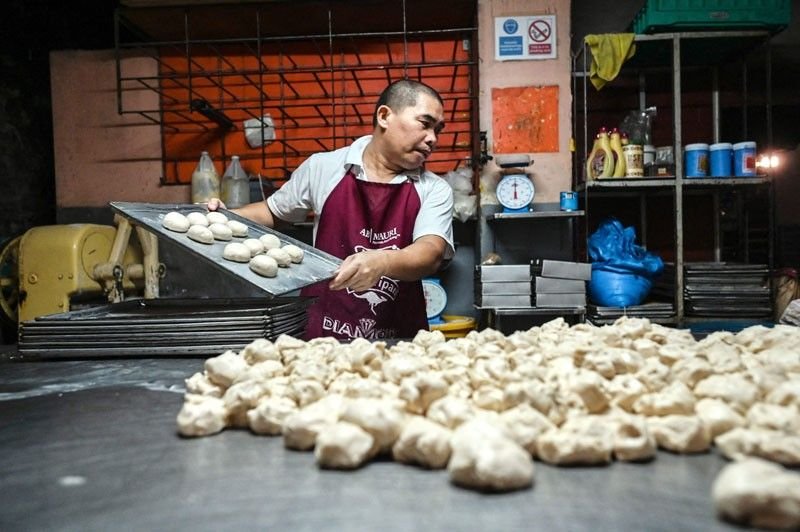

🍞 The Alchemist of the Kitchen: Inside the Precise and Passionate World of the Baker
Hello, creators, crafters, and lovers of all things delicious! Have you ever walked past a bakery and been stopped dead in your tracks by the intoxicating aroma of fresh sourdough or warm cinnamon rolls? That magical smell is the calling card of the Baker—an artisan who transforms simple flour, water, and yeast into comforting, complex, and beautiful creations.
Baking is a unique blend of science, meticulous precision, and sheer artistry. It’s a career that demands long hours, immense physical stamina, and a level of focus that rivals a chemist in a lab. But the reward? The immediate, tangible satisfaction of creating something perfect that brings joy to thousands of people every day.
We’re putting on our aprons and stepping into the heat of the kitchen to explore the true essence of this ancient and vital profession—what the job truly demands, the experience that forges skill, and the special qualities that turn a good recipe-follower into a legendary culinary artist. Get ready to rise to the occasion!
🥐 The Baker’s Job Description: The Daily Ritual of Creation
A Baker is a professional dedicated to preparing, baking, and presenting a wide variety of baked goods, including breads, pastries, cakes, and other confectioneries. Their role is central to bakeries, restaurants, hotels, grocery stores, and industrial food production facilities.
Core Responsibilities:
- Preparation and Production: Weighing and mixing raw ingredients precisely (often using commercial scales) to prepare doughs, batters, and fillings. This requires a deep understanding of ingredient function (the role of gluten, yeast, sugar, and fat).
- Dough and Batter Management: Mastering the delicate processes of fermentation, kneading, folding, and proofing doughs (especially yeasted and laminated doughs like croissants and puff pastry). Bakers must expertly control temperature and humidity.
- Baking and Quality Control: Operating and adjusting industrial ovens, mixers, and proofers. Monitoring baked goods closely to ensure perfect texture, internal temperature, color, and crust development.
- Finishing and Decoration: Decorating and glazing finished products, which may involve using pastry bags, making elaborate buttercream designs, preparing glazes, or applying delicate garnishes to ensure optimal visual appeal for retail or plating.
- Inventory and Ordering: Managing stock levels of perishable and non-perishable ingredients, placing orders with suppliers, and implementing strict inventory rotation (FIFO) to minimize waste and control food costs.
- Recipe Development: Testing and developing new recipes, adapting current recipes for different scales of production (scaling up/down), or catering to dietary needs (gluten-free, vegan).
- Sanitation and Safety: Maintaining impeccable hygiene standards throughout the kitchen. This includes rigorously cleaning workstations, equipment (mixers, ovens), floors, and adhering strictly to all local and international food safety regulations (HACCP).
- Early/Late Shifts: Often required to start in the very early morning hours (or overnight) to ensure fresh products are ready for the opening of the business.
A Baker is an artisan who operates under the strict constraints of food science, ensuring every loaf and pastry meets the highest standard of consistency and taste.
🌟 Experience and Qualifications: Forging Skill in the Heat
The journey to becoming a professional Baker is built on a foundation of discipline, technical knowledge, and extensive hands-on practice.
Essential Qualifications:
- Formal Training (Highly Recommended): A Culinary School Diploma or Associate’s Degree in Baking and Pastry Arts, Professional Cookery, or Hotel/Food Service Management provides a strong base in theory, science, and fundamental techniques.
- Apprenticeship or Kitchen Experience: Most great Bakers start in entry-level roles (e.g., Commis, Pastry Assistant, Trainee) and learn the craft through years of structured, on-the-job training in a busy, professional kitchen environment. Two or more years of professional baking experience is often required for intermediate roles.
- Food Safety Certification: A current, high-level Food Handler’s Certificate or training in food safety and sanitation practices is mandatory due to the critical nature of safe food production.
- Physical Stamina: The job is highly physical. You must be able to stand for shifts lasting 8-10 hours, lift heavy bags of flour (50 lbs/25 kg), push/pull heavy carts, and work consistently in a hot, fast-paced environment.
- Basic Math Skills: Essential for accurately scaling recipes, calculating yields, managing cost percentages, and correctly measuring ingredients.
The most important qualification is a verifiable history of precision and reliability under pressure.
💡 Special Skills: The Baker’s Blend of Art and Science
The ultimate professional Baker is defined by a unique combination of technical expertise (the science) and creative instinct (the art).
Technical & Scientific Skills (Hard Skills):
- Recipe Mastery and Calculation: The ability to follow complex recipes exactly, but also the scientific understanding to know why a recipe works, allowing them to adapt for ingredient substitutions, environmental factors (humidity), or high-altitude changes.
- Dough Rheology and Fermentation Control: Deep knowledge of how temperature, time, and yeast/sourdough cultures affect dough structure, flavor development, and final rise—mastery of the biological process.
- Mise en Place and Organization: The foundational principle of the kitchen: preparing all ingredients and equipment before starting. This meticulous organization ensures efficiency and consistency, especially during a high-volume production run.
- Plating and Decoration Skills: Proficiency in advanced decorating techniques, whether it’s mirror glazing a cake, piping elaborate frosting, or using stencils for artistic bread scoring.
- Inventory and Cost Control: The ability to track yield, manage waste to the gram, and ensure that the cost of goods sold remains profitable.
Professional & Artistic Skills (Soft Skills):
- Patience (The Baker’s Virtue): Essential for allowing dough to proof, batter to rest, and complex preparations to develop properly. Rushing the process always ruins the product.
- Attention to Detail (The Pursuit of Perfection): Absolute meticulousness is crucial, as small measurement errors have huge consequences in baking. This also applies to the final inspection of every product before it leaves the bench.
- Creativity and Innovation: The drive to go beyond the classics, experimenting with new flavors, textures, and plating concepts to develop signature items that excite customers.
- Time Management and Speed: The ability to manage a long production schedule—from overnight dough starts to morning finishes—prioritizing tasks to ensure a continuous stream of fresh product is ready exactly on time.
- Team Communication: Working clearly and collaboratively with other cooks, pastry chefs, and counter staff, delegating tasks and communicating ingredient needs during intense production periods.
✨ The Profound Impact: The Joy of the First Bite
A career as a Baker offers a powerful creative outlet and immediate, satisfying results. You are directly responsible for the comforting warmth that draws people into a space. Whether you’re working for a small artisanal shop, a massive hotel, or running your own business, you are utilizing an ancient craft to bring daily delight to people’s lives. It is a stable, high-demand profession that rewards dedication, discipline, and a genuine passion for turning simple raw materials into edible art.