

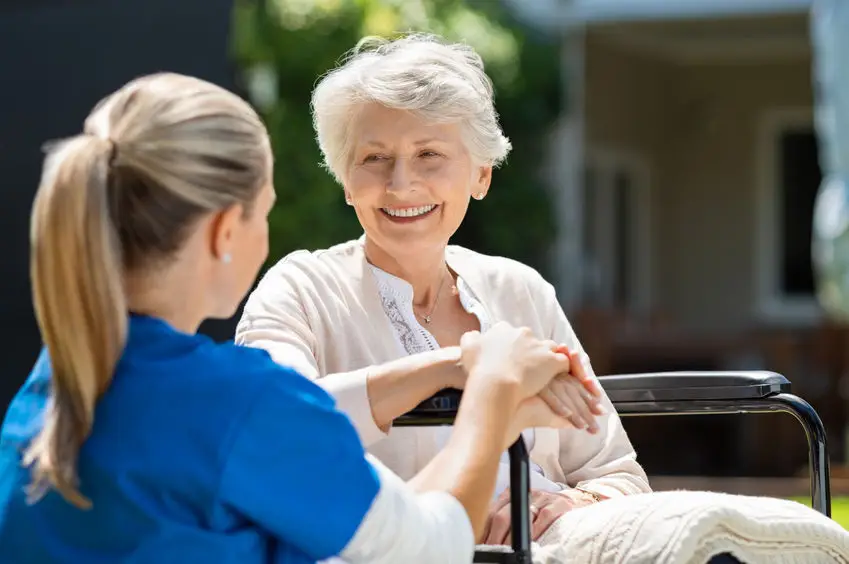

❤️ The Heartbeat of Home: What It Truly Takes to Be a Professional Caregiver
Hello, kind hearts and patient souls! If you’re reading this, you likely possess a deep desire to make a direct, tangible difference in someone’s life. The job of a Caregiver (also known as a Personal Care Aide or Home Health Aide) is arguably one of the most important roles in society. It’s a career built not just on skills, but on profound empathy, trust, and resilience.
A professional Caregiver is the backbone of support for the elderly, individuals with disabilities, or those recovering from illness or injury. You step into their most personal space—their home—and become an essential part of their daily life, helping them maintain dignity and independence.
This isn’t a job for the faint of heart; it’s a calling that demands strength, skill, and unwavering compassion. We’re diving into the reality of this vital profession—what you’ll do every day, the qualifications that build confidence, and the special human skills that define success in caregiving.
🫂 The Caregiver’s Job Description: The Architect of Comfort
The Caregiver’s primary responsibility is to assist clients with Activities of Daily Living (ADLs) and Instrumental Activities of Daily Living (IADLs), all while maintaining a safe, nurturing, and emotionally supportive environment. The role is varied, demanding flexibility and a deep personal commitment.
Core Responsibilities:
- Personal Care Assistance: This is the most intimate aspect of the role. It involves helping clients with personal hygiene tasks like bathing, dressing, grooming, and toileting while always upholding their dignity and privacy. This may also include specialized tasks like incontinence care or skin checks.
- Mobility and Transfers: Safely assisting clients with mobility, including transferring from bed to chair, using walkers or wheelchairs, and providing ambulation support to prevent falls. This requires knowledge of proper lifting and moving techniques to protect both the client and yourself.
- Health and Medication Management: Ensuring clients take their prescribed medications on time. This usually involves medication reminders and monitoring for side effects, coordinating with family or nurses. (Note: Actual administration of medications may require an HHA or CNA license depending on local regulations).
- Homemaking and Nutrition: Performing essential light housekeeping duties (like laundry, making beds, light tidying), grocery shopping, and preparing nutritious meals according to dietary restrictions or preferences.
- Companionship and Emotional Support: Providing meaningful companionship is a cornerstone of the job. This means engaging clients in conversation, reading, playing games, escorting them to appointments, and being a reliable, positive, and genuinely supportive presence.
- Observation and Documentation: Constantly observing and accurately reporting any changes in the client’s physical condition, mental state, behavior, or environment to the family or supervising healthcare professionals promptly.
- Emergency Response: Knowing how to act quickly and responsibly in a medical emergency or accident, using First Aid and CPR training.
The Caregiver is the client’s eyes, ears, and hands—a lifeline that promotes independence and a higher quality of life.
🌟 Experience and Qualifications: Building Trust and Competence
Since the role involves immense personal responsibility, qualifications are often focused on demonstrating practical competence, trustworthiness, and safety.
Essential Qualifications:
- High School Diploma or Equivalent: This is a common requirement for most professional agencies.
- Certifications (Highly Valued or Required):
- CPR and First Aid Certification: These are often non-negotiable, demonstrating the ability to act in a crisis.
- Specialized Training: Certifications like Home Health Aide (HHA) or Certified Nursing Assistant (CNA) offer a significant advantage, particularly for roles involving complex medical needs or working for agencies. Many employers offer or require completion of specific caregiver training programs.
- Proven Experience: While some entry-level positions offer on-the-job training, prior experience—even if voluntary or informal (like caring for a family member)—is highly valued. Professional experience in home care, nursing homes, or assisted living facilities is the gold standard.
- Clean Background and References: A thorough background check and excellent professional references are paramount, as you are entrusted with a person’s well-being and their private home.
- Physical Stamina: The job demands physical fitness and strength to assist with transfers, stand for long periods, and perform physically demanding household tasks.
- Valid Driver’s License and Reliable Transportation: Often required for running errands and accompanying clients to appointments.
💡 Special Skills: The Compassionate Toolbox
While the tasks are practical, the skills that truly define an outstanding Caregiver are deeply rooted in emotional intelligence and personal character.
Critical Caregiver Skills:
- Empathy and Compassion (The Core): The ability to genuinely understand and share the feelings of another, especially when they are vulnerable. This translates into patience, non-judgmental support, and a kind-hearted approach to even the most difficult tasks.
- Patience and Flexibility: You will encounter frustrating, repetitive, or emotionally taxing situations. Patience is essential when communicating with someone facing cognitive decline or mobility limitations. Flexibility is needed to adapt to changing care plans, unexpected illnesses, or shifts in the client’s mood and routine.
- Effective Communication: Clear, gentle, and respectful communication is key, both with the client and with their family/healthcare team. This includes active listening and the ability to convey essential health information accurately and concisely.
- Observation and Detail Orientation: You must be an attentive observer, noting subtle changes in appetite, mood, or skin condition. This attention to detail is critical for identifying potential health issues before they become emergencies.
- Time Management and Organization: Caregivers must efficiently manage a schedule that includes personal care, meals, medication, and errands. Excellent organizational skills ensure that all parts of the care plan are met on time and appointments are never missed.
- Problem-Solving and Initiative: The ability to assess unexpected challenges (a broken piece of equipment, a sudden refusal to eat) and take appropriate action calmly without constant supervision demonstrates professional competence.
💖 Why Caregiving Matters: An Impact Beyond Measure
A career as a Caregiver is a unique opportunity for immediate and profound professional satisfaction. You are not just earning a living; you are restoring comfort, dignity, and a sense of normalcy to someone who needs it most. The gratitude you receive, both spoken and unspoken, is what makes the emotional demands worthwhile. You become a trusted member of a family’s support network—a true hero who embodies selfless service every single day. If your purpose is to serve and uplift, then caregiving is where your heart belongs.