

✈️ Guardians of the Sky: Your Guide to a High-Flying Career as an Aircraft Mechanic
Hello, meticulous minds and aviation enthusiasts! Every time a plane takes off and lands safely, it’s a technological marvel. But the real magic happens on the ground, thanks to the precision, skill, and dedication of the Aircraft Mechanic (often holding an A&P—Airframe and Powerplant—License).
This is a career where perfection is the minimum standard. Aircraft Mechanics are the ultimate guardians of air safety. They are highly skilled technicians who perform the crucial inspections, maintenance, and repairs that keep complex aircraft operating in the air. Their expertise directly impacts the lives of thousands of passengers and crew every single day.
We’re opening the hangar doors to explore the immense scope of this essential job—the intense technical demands, the rigorous certification process, and the unique blend of diagnostic genius and hands-on skill that defines a top-tier Aircraft Mechanic. Get ready to launch your career in the stratosphere!
🛠️ The Aircraft Mechanic’s Job Description: The Aviation Physician
An Aircraft Mechanic is responsible for the overall airworthiness of aircraft, ensuring all components comply with stringent federal regulations (like those set by the FAA, EASA, or other national bodies). They are part engineer, part inspector, and part heavy equipment mechanic.
Core Responsibilities:
- Inspection and Certification: Performing scheduled and unscheduled inspections as mandated by regulatory bodies and manufacturer maintenance manuals. This includes detailed checks on airframes, engines, landing gear, flight controls, and hydraulic systems. Once work is complete, they certify the aircraft as safe to fly (a critical legal responsibility).
- Troubleshooting and Diagnostics: Using sophisticated electronic diagnostic equipment and their deep mechanical knowledge to pinpoint and analyze the causes of aircraft malfunctions, including issues in electrical, hydraulic, pneumatic, and fuel systems.
- Repair and Overhaul: Repairing or replacing defective parts, ranging from simple worn-out components to complex structural repairs. This often involves intricate work on engine parts, propellers, rotors, and other vital flight systems.
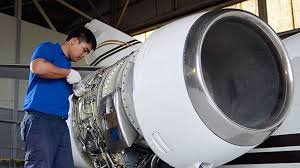
- Engine Maintenance: Performing routine maintenance, major overhauls, and complete replacements of jet engines or piston engines. This requires specialized knowledge of turbine mechanics and highly precise tooling.
- Documentation and Record Keeping: Maintaining meticulous, accurate, and legally compliant records of all maintenance performed, including detailed descriptions of the fault, the repair method, and the parts used. This documentation is essential for tracking an aircraft’s service life.
- System Testing: Conducting ground tests of repaired engines, flight controls, and other systems to verify proper function and performance before the aircraft is cleared for flight.
- Adhering to Regulations: Strictly following all maintenance manuals, manufacturer guidelines, and national aviation regulations. Deviations are not permissible in this safety-critical field.
The Aircraft Mechanic’s job is an exercise in absolute precision, where the stakes are always the highest—human life and multi-million dollar assets.
🎓 Experience and Qualifications: Earning the Wings
The path to becoming a certified Aircraft Mechanic is one of the most structured and rigorous in the trades, emphasizing accredited training and extensive practical application.
Essential Qualifications:
- Education: A High School Diploma or GED is required. This must be supplemented by successful completion of a program certified by the relevant national authority (e.g., an FAA-approved Part 147 Aviation Maintenance Technician School in the U.S.). These programs provide specialized training in airframe structures, aircraft electrical systems, and powerplant mechanics.
- Licensure (The A&P License): To work legally on civil aircraft in the U.S., you must obtain the Airframe and Powerplant (A&P) Certificate from the FAA. This requires passing comprehensive written, oral, and practical examinations after completing the certified schooling or documenting extensive equivalent experience (typically 30 months of work).
- Practical Experience: Even after certification, mechanics are often hired into entry-level roles where they work under the supervision of senior mechanics to gain experience on specific aircraft models (e.g., Boeing 737s, Airbus A320s). Specialized training on specific aircraft (type rating) is often provided by the employer.
- Specialized Training: Depending on the job, further training may be required in areas like avionics (electronics), composite materials repair, or specific engine types.
- Security Clearance: For jobs at major airports, defense contractors, or government facilities, background checks and security clearances are standard requirements.
The A&P license is the gold standard, signifying that the mechanic has mastered the theoretical and practical knowledge needed to perform safety-critical maintenance.
💡 Special Skills: The Diagnostic Genius and Precision Touch
A great Aircraft Mechanic blends highly technical knowledge with unwavering discipline, making them part engineer, part detective, and part artisan.
Technical & Diagnostic Skills (Hard Skills):
- System Troubleshooting: The ability to logically isolate complex system failures. This requires understanding how electrical, hydraulic, and mechanical systems interact and using fault isolation manuals to find the root cause, not just the symptom.
- Blueprint and Schematic Mastery: Expert ability to read and interpret complex engineering drawings, wiring diagrams, and assembly blueprints that detail the inner workings of an aircraft.
- Tooling Precision: Proficiency in using highly calibrated and specialized aviation tools (micrometers, torque wrenches, alignment tools) to work to tolerances measured in thousandths of an inch.
- Regulatory Knowledge: Deep, working knowledge of Federal Aviation Regulations (FARs) and the specific maintenance manuals for the aircraft they service. Compliance is key to airworthiness.
- Material Science: Understanding the properties of aircraft materials (aluminum alloys, titanium, composites) and the specific techniques required for their repair and bonding.
Professional & Ethical Skills (Soft Power):
- Uncompromising Attention to Detail: A lapse in attention can have catastrophic consequences. Meticulousness in every step, from torqueing a bolt to documenting a repair, is the single most important character trait.
- Integrity and Responsibility: A profound sense of professional integrity is required when signing off on safety-critical work. The mechanic must be prepared to ground an aircraft if they have any doubt about its airworthiness, regardless of schedule pressure.
- Problem-Solving Under Pressure: The ability to maintain composure and execute complex diagnostics and repairs under the intense time constraints of an aircraft grounded due to a technical issue.
- Communication: Clearly documenting findings and repairs for the next technician and effectively communicating technical status and delays to supervisors and pilots.
- Physical Stamina and Dexterity: The job requires climbing, lifting, working in cramped conditions (wings, gear wells), and using fine motor skills for intricate wiring and component assembly.
🚀 The Impact: Keeping the World Connected
The Aircraft Mechanic holds one of the most honorable and in-demand jobs in the global transportation industry. They are the essential link in the safety chain, responsible for the integrity of every flight. As air travel continues to expand and aircraft technology becomes more complex (with greater reliance on avionics and composite materials), the demand for highly skilled, licensed A&P professionals will only grow.
If you are disciplined, precise, thrive on technical challenge, and want a career that gives you direct responsibility for high-stakes, essential equipment, then becoming an Aircraft Mechanic is your direct route to building a safer, more connected world.