

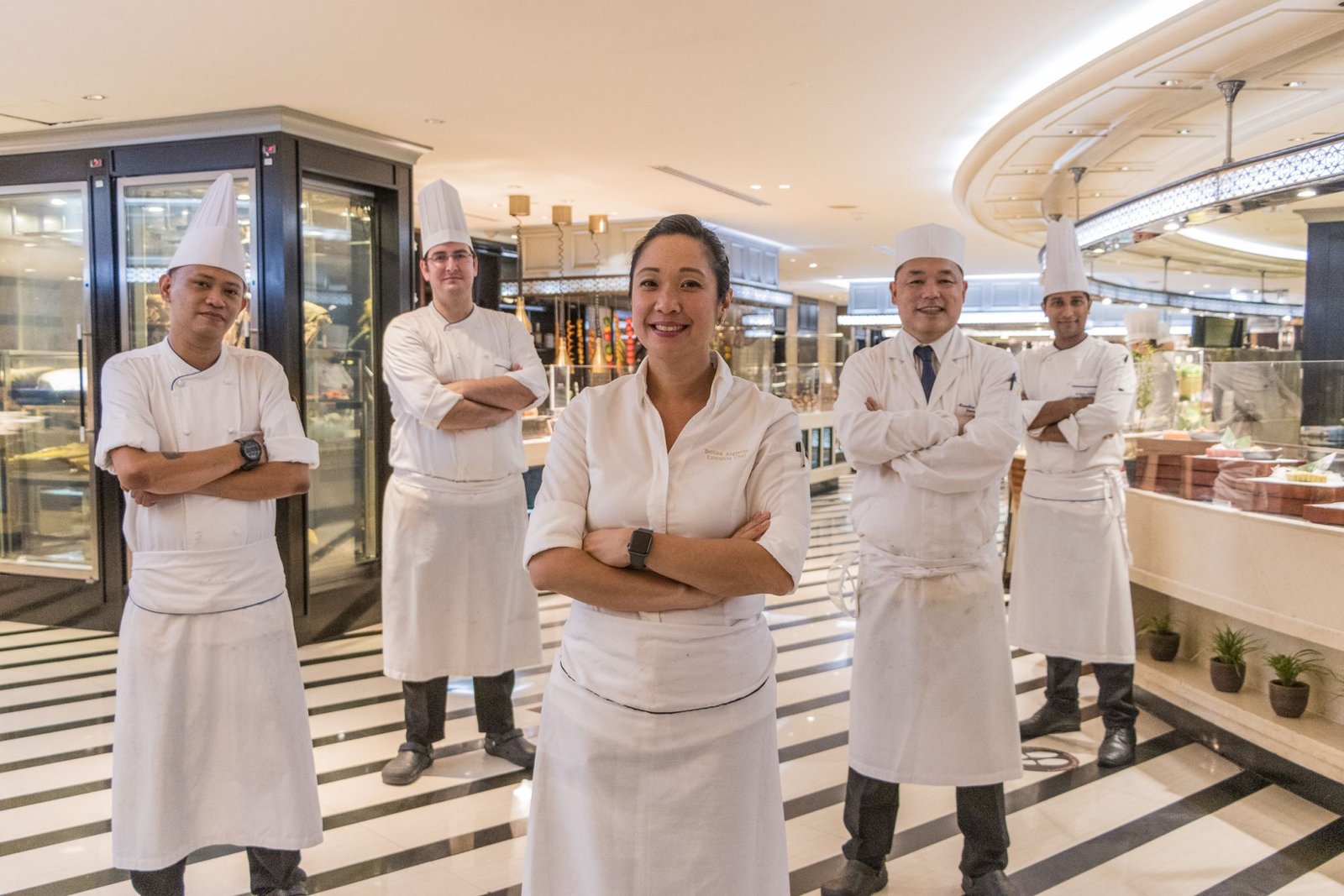

🔪 The Executive Palate: Orchestrating Culinary Excellence as a Hotel Chef
Hello, gastronomic gurus and passionate professionals! Have you ever experienced the incredible variety of food offered by a major hotel—from a perfect breakfast buffet and high-end fine dining to an immaculate wedding banquet and late-night room service? The vast, complex, and high-quality operation that makes all that happen is run by the Hotel Chef.
This is not a job for the faint of heart. It is a world of blazing heat, immense time pressure, and uncompromising standards. Whether you are the Executive Chef leading the entire culinary department or a Chef de Partie mastering a single station, you are at the cutting edge of hospitality, blending technical precision with creative flair.
We’re diving into the intense and rewarding reality of this dynamic career—exploring the massive scope of the job, the experience that builds trust and skill, and the unique combination of culinary art and business strategy that defines a truly great Hotel Chef. Get ready to put on your whites and step onto the pass!
🍽️ The Hotel Chef’s Job Description: The Maestro of Multiple Menus
A Hotel Chef, particularly at the senior level (Executive Chef, Head Chef), is responsible for far more than just cooking. They are the leader, administrator, inventor, and quality control expert for all food service operations within the entire hotel property.
Core Responsibilities:
- Culinary Leadership and Management: Leading, mentoring, and managing the entire kitchen brigade (Sous Chefs, Chef de Parties, Commis, Stewards). This includes scheduling staff, delegating tasks, overseeing training, and maintaining high morale in a high-pressure environment.
- Menu Engineering and Creation: Designing, costing, and executing diverse menus for all outlets—the main restaurant, banqueting/events, room service, and often, staff canteens. This requires staying updated on food trends, seasonal ingredients, and market demands.
- Quality Control and Plating: Maintaining unwavering standards for food quality, taste, safety, and appealing plate presentation across all dishes, ensuring consistency regardless of the volume of service.
- Financial and Inventory Management: Overseeing food costing to ensure profitability, managing supplier relationships, ordering ingredients, and meticulous inventory control to minimize waste (food spoilage) and meet budgetary goals.
- Health, Safety, and Hygiene: Enforcing strict compliance with all local and international food safety regulations (HACCP protocols), maintaining impeccable kitchen cleanliness, and ensuring staff adherence to hygiene standards.
- Interdepartmental Coordination: Working closely with the Food & Beverage (F&B) Manager, Catering Sales, and Front of House (FOH) staff to communicate daily specials, manage service timing, and accommodate complex dietary restrictions and large-scale event needs.
- Recipe Standardization: Documenting and standardizing all recipes (creating “recipe cards”) to ensure consistent quality and flavor across all shifts and cooks.
The Hotel Chef manages an often complex, multi-million dollar operation where speed, precision, and artistry must converge simultaneously.
🎓 Experience and Qualifications: Climbing the Culinary Ladder
The path to becoming a Hotel Chef is structured and requires significant time and dedication. It is a true apprenticeship model, where experience on the line is as important as formal education.
Essential Qualifications:
- Formal Culinary Training (Highly Recommended): While not always mandatory, a Culinary School Diploma or Degree in Culinary Arts, Professional Cookery, or Hotel Management with a focus on cuisine provides the foundational knowledge and technical skills.
- Progressive Kitchen Experience: The career is defined by the Brigade de Cuisine hierarchy. You must work your way up the ranks:
- Commis Chef: Entry-level position focused on learning stations and prep work.
- Chef de Partie (Station Chef): Mastering a specific station (saucier, pastry, grill, etc.).
- Sous Chef: Second-in-command, focused on supervision, scheduling, and running service in the Head Chef’s absence.
- Head Chef / Executive Chef: The leadership role managing the entire operation.
- Demonstrated Specialization: For senior roles, proven expertise in specific cuisines (e.g., Multi-Cuisine, French, Asian) or areas (e.g., banqueting, pastry) is critical for matching the hotel’s concept.
- Food Safety Certification: A high-level Food Handler’s License or certification in HACCP (Hazard Analysis Critical Control Point) is required to demonstrate mastery of kitchen sanitation and food safety protocols.
- Experience in High-Volume/Luxury Settings: Hotel kitchens often serve hundreds of guests across multiple venues simultaneously. Experience managing high-volume banqueting and executing fine-dining standards is a major asset.
The most valuable qualification is a portfolio of proven ability, leadership, and resilience demonstrated over years in demanding kitchens.
💡 Special Skills: The Ingredients for Culinary Success
Beyond knowing how to perfectly sear a scallop, a Hotel Chef’s true value lies in their ability to manage a team, finances, and relentless pressure.
Technical & Culinary Skills (Hard Skills):
- Advanced Knife Skills and Techniques: Mastery of fundamental cutting and cooking techniques (braising, searing, emulsifying, butchery) to ensure speed, consistency, and safety.
- Inventory and Cost Control: Expert ability to manage kitchen financials—from negotiating with suppliers to analyzing food cost percentages and reducing wastage through smart inventory forecasting.
- Plating and Presentation: A keen artistic eye for food presentation, understanding color, texture, and height to elevate the perceived value and quality of the dish.
- Adaptability to Dietary Needs: Proficiency in safely preparing food for guests with complex allergies, dietary restrictions (vegan, gluten-free, halal, kosher), and custom requests quickly and without error.
- Equipment Mastery: Familiarity with operating and maintaining large, industrial-grade kitchen equipment (combi ovens, blast chillers, specialized mixers, etc.).
Leadership & Professional Skills (Soft Skills):
- Unflappable Resilience Under Pressure: The kitchen is a high-stress environment. The ability to remain calm, focused, and professional during peak rush periods and unexpected crises is the hallmark of a great Chef.
- Team Leadership and Mentorship: The capacity to inspire, coach, and discipline a diverse team of cooks. Great Chefs are effective teachers who invest in the growth of their brigade.
- Clear and Concise Communication: In the loud chaos of the kitchen, instructions must be delivered clearly, briefly, and without ambiguity. Excellent communication with the FOH staff is also vital for smooth service.
- Creativity and Innovation: The passion and drive to constantly experiment, develop new recipes, and keep the hotel’s menus fresh and exciting, providing a competitive edge in the local dining scene.
- Time Management and Delegation: The surgical ability to prioritize tasks, create detailed prep lists (mise en place), and delegate work according to the capacity and skill level of the staff, ensuring everything hits the pass at the precise moment it is needed.
🌟 The Impact: Where Passion Meets Business
A career as a Hotel Chef is an ultimate blend of passion and rigorous professionalism. It offers immense creative freedom coupled with the strategic challenge of managing a large-scale business operation. You are directly responsible for the memories guests make—from their first bite of a five-star dinner to the flawless execution of their wedding cake. It’s a demanding role, but for those who live for the rush of service and the magic of creation, there is no greater satisfaction than leading a successful, high-performing kitchen.